The Gut Revolution - Probiotics, Kombucha, and the Modern Diet

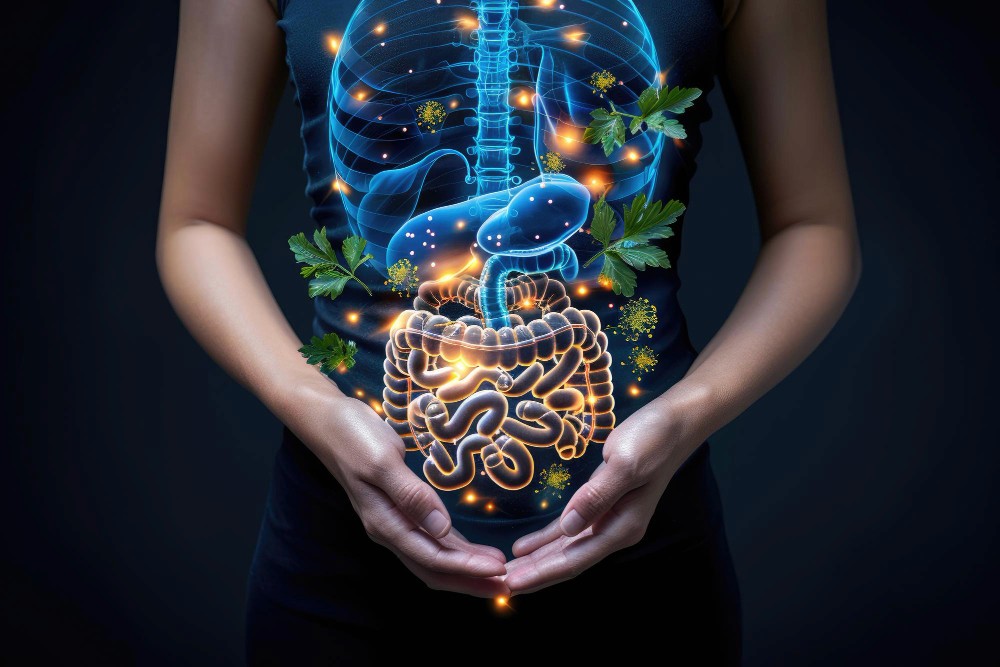
For decades, we focused on the brain (the "master organ") and the heart (the "vital pump"). Today, modern science and millions of health-conscious Americans are placing a new organ at the center of holistic wellness: the gut.
The gut, or more accurately, the gastrointestinal tract, is home to the gut microbiome—a complex ecosystem of trillions of bacteria, fungi, and other microbes. This microscopic community is now understood to influence everything from our mood and immunity to our metabolism and weight.
The rising popularity of terms like "probiotics," "Kombucha," and "gut-friendly recipes" reflects a profound shift. We are moving away from merely treating symptoms and toward Proactive Gut Health Management. This article is your comprehensive guide to understanding this vital system, embracing the best gut-friendly diet trends, and establishing daily habits that can transform your health from the inside out.
Decoding the Gut Microbiome - Why Your Bacteria Matter
Understanding the gut revolution begins with the microbiome itself. Imagine your gut as a bustling city, and the bacteria within it are the citizens.
The Gut-Brain Axis - Your Second Brain
One of the most groundbreaking discoveries of the past decade is the Gut-Brain Axis (GBA). This is a bidirectional communication highway linking your digestive system and your central nervous system.
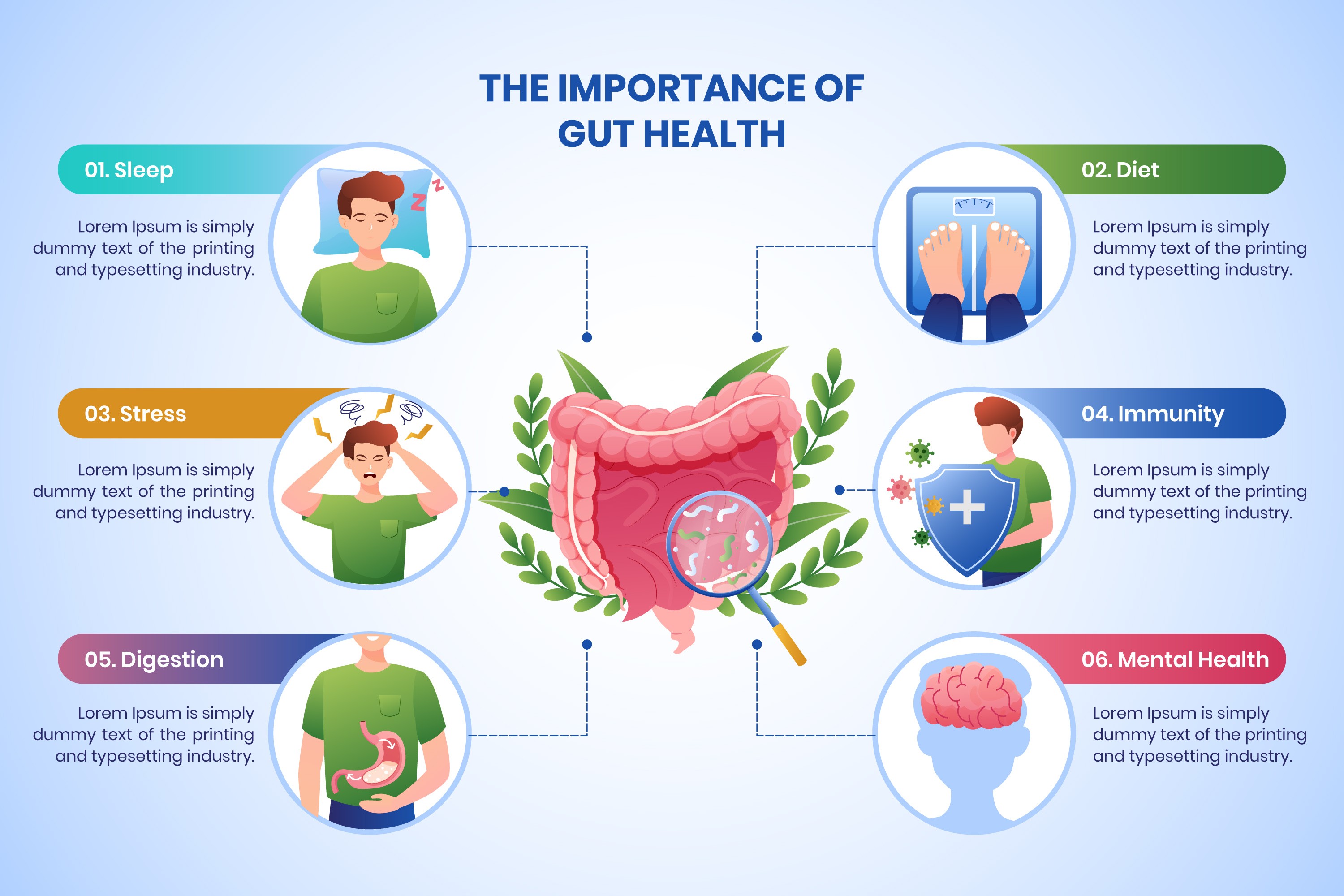
Neurotransmitter Production: The gut is responsible for producing over 90% of the body's serotonin, a crucial neurotransmitter that regulates mood, sleep, and appetite. This biological link explains why gut issues often coincide with anxiety and depression, and why improving gut health can lead to improved mental clarity and mood stability.
Vagus Nerve Connection: The GBA primarily communicates via the Vagus Nerve, which acts like a biological information superhighway, transmitting signals about hunger, stress, and inflammation between your digestive tract and your brain.
The Role in Immunity and Metabolism
A healthy gut is characterized by high microbial diversity and a balance between beneficial and harmful bacteria.
Immune System Training: Up to 70-80% of the body's immune cells reside in the gut lining. The beneficial bacteria "train" the immune system, helping it distinguish between harmless food particles and genuine pathogens.
Metabolic Function: The gut microbiome breaks down complex carbohydrates that the body cannot digest, producing beneficial compounds called Short-Chain Fatty Acids (SCFAs), particularly butyrate. SCFAs are vital energy sources for colon cells, help regulate appetite, and play a role in blood sugar control, making them key players in metabolic health.
The Power of Probiotics - Bringing in the Good Guys
Probiotics are live microorganisms that, when administered in adequate amounts, confer a health benefit on the host. They are the 'good guys' that you want to actively introduce into your gut city.
Probiotic Foods - The Daily Essentials
While supplements are an option, the most delicious and effective way to consume probiotics is through fermented foods. These foods are created through a controlled microbial growth process, making them rich sources of beneficial bacteria.
Probiotic Food Category | Key Benefits & Typical Strains | Best Daily Consumption Tip |
Yogurt (with live cultures) | Excellent source of Lactobacillus and Bifidobacterium. High in protein and calcium. | Choose plain, unsweetened yogurt. Use as a base for smoothies or with fruit and nuts for breakfast. |
Kefir (Liquid Yogurt) | Contains up to 61 different strains, offering significantly higher diversity than yogurt. | Drink a small glass (4-6 oz) daily. Its tangy flavor works well in morning shakes. |
Sauerkraut (Fermented Cabbage) | Rich in fiber, vitamins (especially C and K), and lactic acid bacteria. | Add a spoonful as a crunchy topping to sandwiches, bowls, or salads. Look for refrigerated (unpasteurized) versions. |
Kimchi (Korean Dish) | A spicy, fermented vegetable dish (usually cabbage and radishes). High in vitamins and diverse Lactobacillus. | A delicious side dish. Start with small portions if new to fermented foods. |
Kombucha (Fermented Tea) | A fizzy, slightly sweet, slightly tart drink containing yeasts and bacteria (often Acetobacter). | Drink 8-16 oz daily as a refreshing alternative to soda or juice. Check sugar content. |
The Kombucha Craze - Why Everyone is Drinking It
Kombucha's popularity exploded in the US wellness scene in the 2020s. This effervescent beverage is made by fermenting sweetened tea using a SCOBY (Symbiotic Culture of Bacteria and Yeast).
Digestive Aid: Its main appeal is as a tasty probiotic source that may aid digestion and nutrient absorption.
Detoxification Claim: While often marketed for "detox" properties, its primary benefit is delivering beneficial bacteria and organic acids, such as acetic acid, which can support gut environment acidity.
Choosing Wisely (Updated Tip): As Kombucha brands proliferate, be mindful of sugar content. The fermentation process uses sugar, but many commercial brands add extra sugar post-fermentation. Opt for brands with less than $8\text{ grams}$ of sugar per serving.
Differentiating Probiotics and Prebiotics
It's common for consumers to confuse these two terms, but they work synergistically:
Probiotics: The actual live bacteria you introduce (the seeds).
Prebiotics: Non-digestible fibers that act as food for your existing good bacteria and the new probiotics you introduce.
Excellent prebiotic sources include asparagus, garlic, onions, leeks, bananas, and oats. A healthy gut strategy must incorporate both: feed the bacteria you have and replenish the ones you need.
The 2025 Gut Health Lifestyle
The modern gut health movement recognizes that pills and fermented drinks alone are insufficient. A holistic Gut Health Lifestyle requires attention to diet, exercise, and stress.
The Anti-Inflammatory Diet Trend
A key trend in gut health is embracing an anti-inflammatory diet, minimizing foods that disrupt the microbial balance and damage the gut lining.
Minimize Ultra-Processed Foods: Foods high in refined sugar, saturated fats, and artificial additives (like some emulsifiers) can lead to dysbiosis (an imbalance in the gut flora) and increase inflammation.
The Fiber Focus: Fiber is the gut's best friend. Aim for $25-38\text{ grams}$ of fiber daily from diverse plant sources. Fiber diversity is as important as microbial diversity. Eating different types of fruits, vegetables, legumes, nuts, and seeds ensures you feed a wide array of microbial species.
Polyphenols for the Gut: Foods rich in polyphenols (antioxidants found in dark chocolate, berries, red wine, and green tea) are known to boost the growth of beneficial Bifidobacterium and Lactobacillus strains.
Hydration and Broth
A well-hydrated gut is essential for smooth digestion and the production of a healthy mucus layer, which protects the gut lining.
Water Intake: Aim for 8 glasses of water daily, increasing intake with activity.
Bone Broth: Bone broth has become a popular gut tonic. It's rich in collagen and the amino acids glutamine and glycine, which are believed to help repair and maintain the integrity of the gut lining (a concept sometimes referred to as sealing a "leaky gut").
Gut-Friendly Recipes - Fueling Your Microbiome
Making gut health delicious is key to long-term adherence. Here are a few US-friendly meal ideas that expertly combine probiotics, prebiotics, and essential nutrients.
Recipe - The Ultimate Gut-Booster Breakfast Bowl
This recipe combines prebiotics, probiotics, and healthy fats for a perfect start to the day.
Component | Function (Gut Benefit) |
1 Cup Plain Kefir or Greek Yogurt | Probiotic Source: Provides diverse live cultures. |
1/2 Cup Berries (Blueberries/Raspberries) | Polyphenols & Fiber: Antioxidant support; feeds good bacteria. |
1 Tbsp Chia Seeds or Flax Seeds | Prebiotic & Fiber: Excellent source of soluble and insoluble fiber. |
1/2 Sliced Banana | Prebiotic: Contains resistant starch to feed the microbiome. |
1 Tsp Raw Honey (Optional) | Prebiotic: Contains oligosaccharides that support microbial growth. |
Instructions: Simply combine all ingredients in a bowl. Consume slowly to aid digestion.
Recipe - Fermented Veggie & Legume Power Salad
This easy salad is a powerhouse of fiber and flavor.
Component | Function (Gut Benefit) |
Base: Mixed greens, kale, or spinach (high fiber) | Fiber & Nutrients: Provides bulk and promotes regularity. |
Protein/Fiber: 1/2 Cup Chickpeas or Lentils | Prebiotic Fiber: Essential food source for SCFA production. |
Probiotic Topping: 1/4 Cup Unpasteurized Sauerkraut or Kimchi | Probiotic Source: Adds live cultures and aids nutrient absorption. |
Dressing: Olive oil and Apple Cider Vinegar (ACV) | Healthy Fats & Acetic Acid: Reduces inflammation and supports gut pH. |
Prebiotic Veggies: Sliced Red Onion and Asparagus | Prebiotics: Feeds beneficial bacteria (Bifidobacterium). |
Instructions: Lightly steam the asparagus. Combine all ingredients. Dress and serve.
Daily Habits for a Happy Gut - A Non-Diet Approach
Gut health is not just about what you eat; it's about how you live. Incorporating these simple, non-dietary habits can have a profound impact on your microbiome.
Daily Habit | Why It Matters for Your Gut | Actionable Step for US Audience |
Mindful Eating (Chewing) | Digestion begins in the mouth. Thorough chewing ($20-30\text{ times}$ per bite) mechanically breaks down food, reducing the workload on the stomach and intestines. | Put your fork down between bites. Take 5 deep breaths before starting a meal. |
Stress Management | Chronic stress increases the "fight or flight" response, diverting blood flow away from the gut and disrupting motility, leading to issues like IBS. | Dedicate 10 minutes daily to meditation or quiet time. Use guided breathing exercises when feeling overwhelmed. |
Regular Exercise | Physical activity increases microbial diversity and enhances gut motility (peristalsis), promoting regularity and waste removal. | Walk for 30 minutes after your largest meal of the day to aid digestion. |
Prioritize Sleep | Poor sleep quality increases cortisol (stress hormone), which negatively impacts the gut lining and bacterial balance. | Aim for 7-9 hours. Establish a strict bedtime routine and limit blue light exposure 1 hour before sleep. |
Exposure to Nature | Spending time outdoors and moderate exposure to soil microbes (gardening, hiking) is linked to a more diverse and resilient microbiome. | Take a walk in a park or forest trail weekly. Start a small herb garden. |
Emerging Trends and the Future of Gut Health
The science of the microbiome is constantly evolving, leading to exciting new applications and understanding.
Postbiotics and Paraprobiotics
The focus is shifting slightly beyond just live bacteria:
Postbiotics: These are the beneficial compounds produced by probiotics during fermentation (like SCFAs and B vitamins). They offer the benefits of probiotics without the need for live bacteria, making them easier to stabilize and include in supplements and foods.
Paraprobiotics (or ghost probiotics): These are inactivated (non-live) microbial cells that still confer health benefits, primarily by interacting with the immune cells in the gut.
Personalized Nutrition and Testing
The current landscape of gut health is moving toward personalization.
At-Home Testing: US consumers are increasingly using at-home microbiome testing kits (e.g., Viome, uBiome) to get a snapshot of their bacterial profile. While still an emerging field, these results offer individualized food recommendations aimed at increasing specific beneficial species.
Dietary Specificity: The future will likely involve diet plans tailored not just to the individual, but to their unique microbial composition for example, knowing exactly which prebiotic fiber your specific dominant bacteria strain needs most.
The Leaky Gut Debate
The concept of "Leaky Gut" (Increased Intestinal Permeability) has transitioned from a fringe theory to a recognized area of clinical research. While the term is often overused in popular wellness, researchers confirm that environmental factors, poor diet, and stress can compromise the tight junctions of the gut lining, potentially leading to systemic inflammation. Targeted supplementation (like Glutamine and Zinc) and diet modification are the focus of current interventions.
Taking Control of Your Inner Ecosystem
The gut revolution is far more than a passing wellness fad; it is a fundamental re-understanding of human biology. For the health-conscious US consumer, the message is clear: the path to a healthier, happier, and more resilient life runs directly through your digestive tract.
By actively integrating probiotic foods like yogurt and Kombucha, prioritizing diverse prebiotic fiber, focusing on an anti-inflammatory diet, and adopting simple yet powerful daily habits like stress management and mindful eating, you are not just following a trend. You are taking scientific command of your body's most dynamic and influential ecosystem the gut microbiome.
This is the era of proactive, preventative health. The power to transform your wellness truly is within you.