Intermittent Fasting (IF) - The Science, The Methods, and The Ultimate Guide


In recent years, one health and fitness strategy has dominated conversations, research, and social media feeds: Intermittent Fasting (IF). Far from being a fleeting fad, this ancient practice deeply rooted in human history and religious traditions has been catapulted into the modern spotlight by compelling scientific evidence. IF is not a traditional "diet" that dictates what you eat; rather, it's an eating pattern that focuses intensely on when you eat. It proposes a fundamental shift in our relationship with food, moving away from continuous calorie intake to structured cycles of eating and fasting.
The question is, why is this centuries-old technique now a cornerstone of modern metabolic health, longevity research, and weight management programs? What does the science say, and more importantly, is Intermittent Fasting the right path for you? This comprehensive article will deep-dive into the mechanism, benefits, popular methods, and practical considerations of the Intermittent Fasting phenomenon.
Defining Intermittent Fasting - More Than Just Skipping Meals
Intermittent Fasting (IF) is an eating strategy that cycles between periods of voluntary fasting and non-fasting. The core principle is to create a prolonged Fasting Window and limit all calorie intake to a specific Eating Window.
The Fundamental Metabolic Objective
The primary goal of IF isn't merely to restrict daily calories (though this often happens naturally). The real power lies in inducing a metabolic switch. When you eat, your body utilizes glucose (sugar) as its primary fuel source, storing excess energy as glycogen in the liver and muscles, and then as fat.
When you enter a fasted state—typically after 10 to 12 hours without food—your body depletes its readily available glucose and glycogen stores. It is then forced to switch to an ancient, survival-based metabolic state: it begins to break down stored body fat for energy. This process is known as entering a state of ketosis, though typically a much milder version than achieved on a strict ketogenic diet. This fundamental shift from glucose-burning to fat-burning is the engine driving the benefits of IF.
IF's Place in History and Culture
Contrary to popular belief, IF is not a modern invention. Historically, intermittent fasting was a natural consequence of food scarcity. Early humans often experienced long periods between successful hunts or harvests.
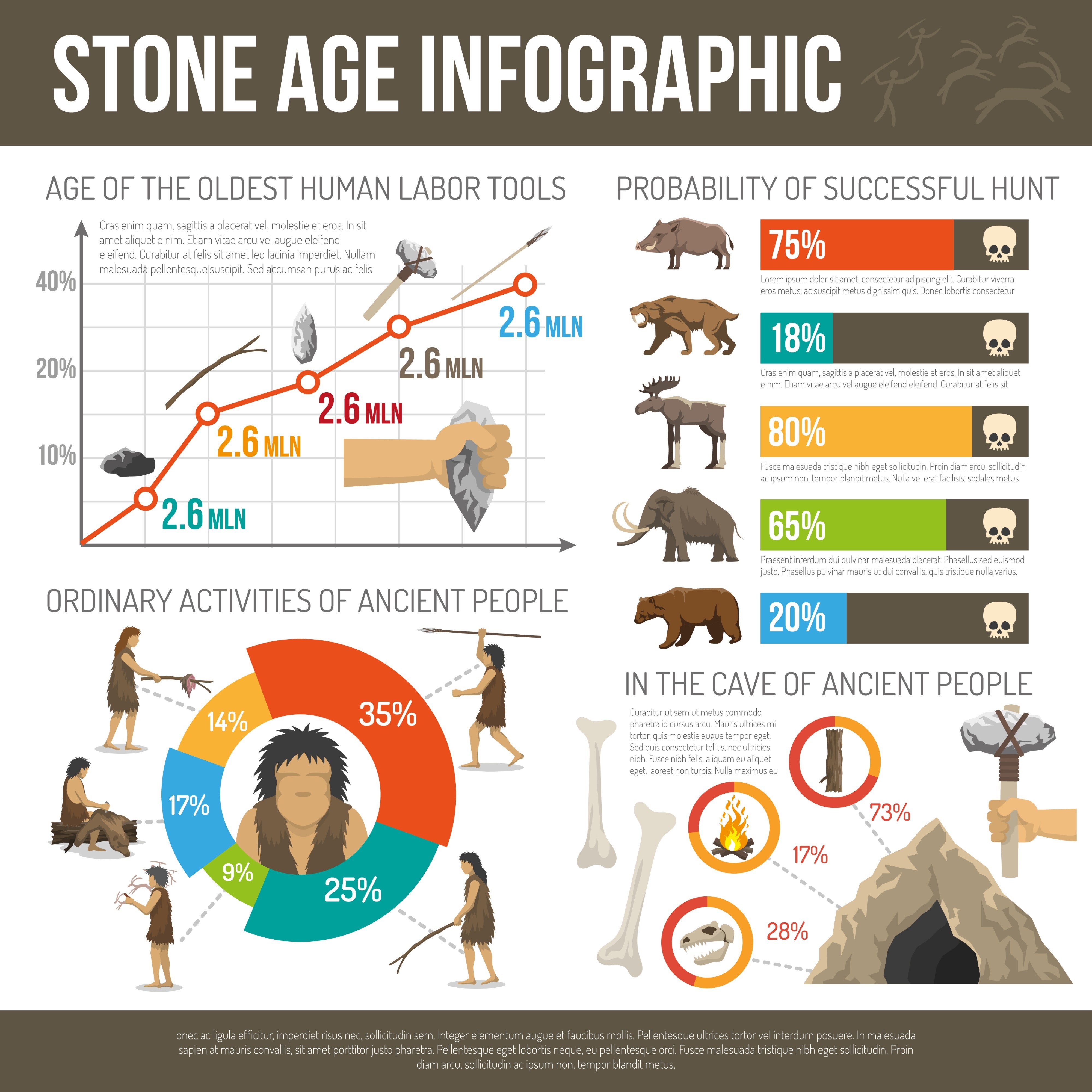
Image: Shutterstock
Moreover, nearly every major world religion incorporates structured fasting as a spiritual practice, from the month-long dawn-to-dusk fast of Ramadan in Islam to the intermittent fasts observed in Christianity, Buddhism, and Hinduism. Modern science is now simply providing the biological framework for why this ancient, widespread practice is so beneficial for human physiology.
The Scientific Engine of IF - Hormonal and Cellular Adaptations
The recent surge in IF's popularity is entirely due to the robust and fascinating biological changes that occur during the fasted state. These changes extend far beyond simple calorie restriction.
The Insulin-Glucagon Axis - The Gatekeeper of Fat Storage
The most crucial hormonal change during IF involves Insulin.
Insulin Drop: When you consume carbohydrates and protein, the hormone Insulin is released. Insulin’s job is to unlock your cells to allow glucose in for energy and, critically, to signal the body to store excess energy (including fat). When Insulin levels are high, fat burning is essentially switched off.
Fasting Effect: During the fasting window, the constant bombardment of food stops, causing a dramatic and sustained drop in circulating Insulin. This low-insulin state is the biological green light for the body to access and burn stored fat.
Enhanced Insulin Sensitivity: Regular periods of fasting have been shown to improve Insulin Sensitivity. This means your body needs to produce less insulin to manage the same amount of glucose. Improved sensitivity is critical for preventing Type 2 Diabetes and managing metabolic syndrome.
The Surge of Human Growth Hormone (HGH)
During the fasted state, the body dramatically increases the secretion of Human Growth Hormone (HGH).
Function: HGH is a powerful anabolic hormone known for its ability to preserve lean muscle mass and enhance the breakdown of body fat (lipolysis).
Benefit for Dieters: This HGH surge is a key advantage of IF over conventional calorie-restricted diets. Traditional diets often result in the loss of both fat and muscle mass. The HGH spike during IF helps safeguard muscle tissue, ensuring that weight loss is predominantly fat loss.
Autophagy - The Cellular Deep Clean
Perhaps the most profound and exciting discovery linked to IF is the activation of Autophagy.
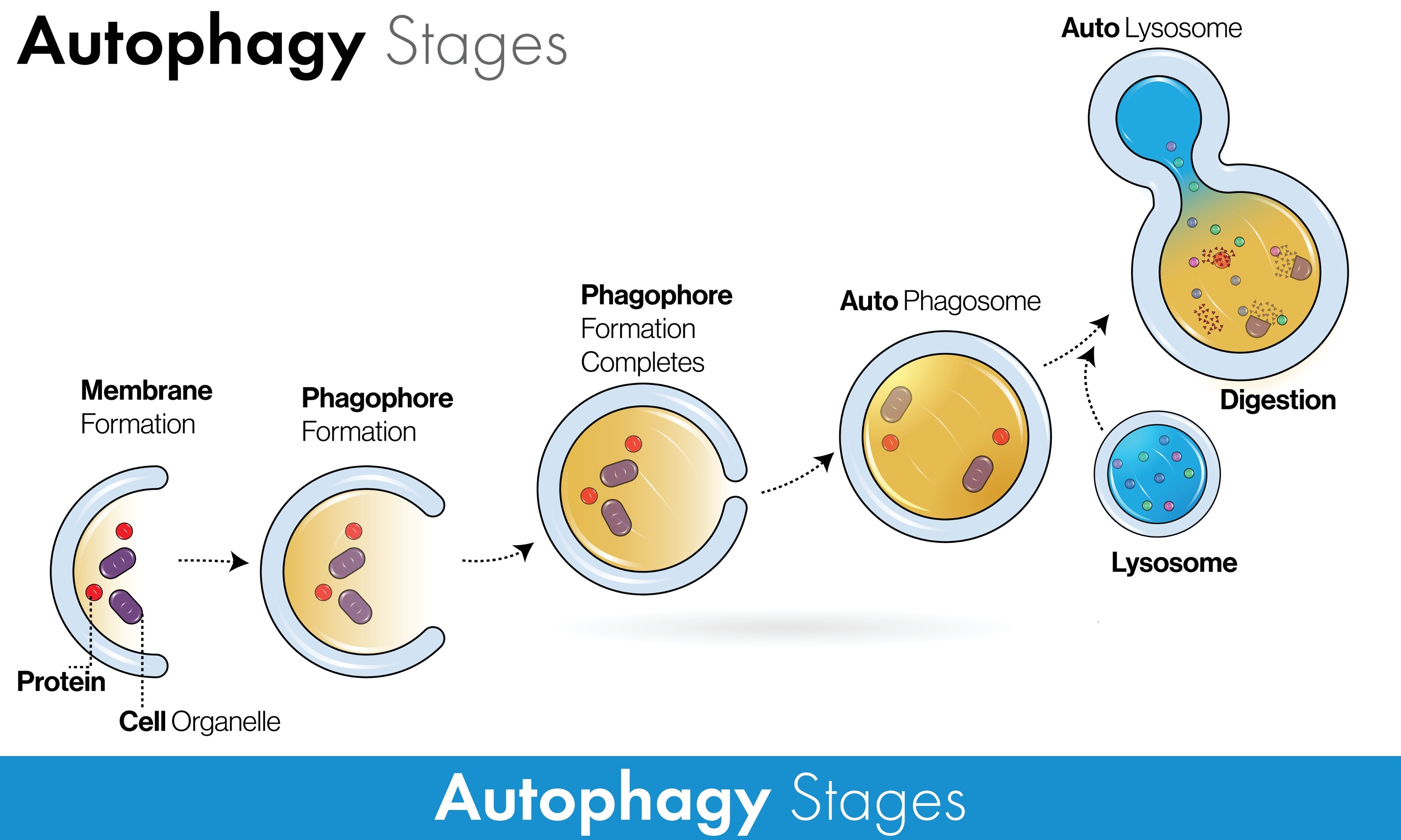
Image: Shutterstock
The term Autophagy is derived from the Greek for "self-eating." It is a vital, natural, and regulated mechanism by which a cell dismantles and recycles its damaged, dysfunctional, or unnecessary components (like old proteins, organelles, and pathogens). Think of it as the cell's internal recycling and quality control program.
Fasting Trigger: Autophagy is stimulated when nutrients are scarce, making the fasted state its most potent trigger.
Health Implications: By clearing out cellular "junk," Autophagy is strongly implicated in:
Cellular Regeneration and Anti-Aging.
Immune System Enhancement.
Neuroprotection, potentially reducing the risk of neurodegenerative diseases like Alzheimer’s and Parkinson’s.
The Popular Modalities of Intermittent Fasting
IF is a flexible framework with several distinct protocols. The best method depends entirely on your lifestyle, health goals, and personal preferences.
The 16/8 Method (Leangains Protocol)
This is the most common and arguably the easiest form of IF for beginners to adhere to, popularized by the Leangains movement.
Protocol: Fast for 16 continuous hours and consume all calories within an 8-hour eating window.
Example Schedule: Finish dinner at 8:00 PM and eat your first meal (breakfast or lunch) the next day at 12:00 PM. Much of the fasting window occurs while sleeping.
Advantages: It is highly sustainable, minimally disruptive to social life, and effective for moderate weight loss and metabolic improvement.
The 5:2 Diet (The Fast Diet)
This method focuses on an entire week of eating patterns rather than a daily cycle.
Protocol: Eat normally and without calorie restriction for 5 days of the week. On the remaining 2 non-consecutive days, restrict calorie intake significantly, usually to 500 calories for women and 600 for men.
Advantages: Ideal for those who find daily restriction difficult. It allows for more freedom on non-fast days and requires conscious restriction only twice a week.
Eat-Stop-Eat (24-Hour Fasting)
This involves a full 24-hour fast once or twice a week.
Protocol: Fast from dinner on one day to dinner on the next day (or breakfast to breakfast).
Advantages: Highly effective for weight loss and maximizes the stimulus for Autophagy.
Consideration: More challenging than the 16/8 method and should be approached cautiously by beginners.
Warrior Diet (20/4 or One Meal A Day - OMAD)
This is a more intense protocol, favored by those who are already metabolically fit or looking to break through a weight-loss plateau.
Protocol: Fast for 20 hours and consume all of the day's calories within a 4-hour eating window. OMAD is an even stricter version, condensing the eating window to a single meal.
Advantages: Potentially accelerates weight loss and provides the deepest state of Autophagy activation.
Consideration: Requires careful attention to nutrition within the short eating window to ensure adequate nutrient intake.
The Clinically Proven Benefits of Intermittent Fasting
Clinical trials and human studies have illuminated a wide range of benefits that go beyond simple weight loss.
Sustained Weight Loss and Body Composition
IF is a powerful tool for weight management, primarily by impacting body composition.
Caloric Deficit: By shortening the eating window, people naturally reduce their total calorie intake, leading to a caloric deficit necessary for weight loss.
Fat Oxidation: The reduction in insulin and the concurrent rise in Norepinephrine (a stress hormone that signals fat cells to break down fat) directly increase the body's rate of fat oxidation (fat burning).
Metabolic Rate: Contrary to long-term severe calorie restriction, which can slow the Basal Metabolic Rate (BMR), studies suggest short-term fasting does not significantly compromise BMR and may even temporarily increase it due to the norepinephrine surge.
Enhanced Brain Health and Cognitive Function
The brain benefits significantly from the metabolic adaptations induced by IF.
BDNF Upregulation: Fasting increases the production of Brain-Derived Neurotrophic Factor (BDNF). BDNF is often called "Miracle-Gro" for the brain; it promotes the growth of new neurons, improves brain plasticity, and enhances resistance to stress.
Neuroprotection: IF has shown promise in animal models for protecting the brain against stroke and age-related neurodegeneration, largely through its effects on reducing oxidative stress and promoting cellular repair.
Cardiovascular Health and Longevity Markers
IF has demonstrated a positive impact on several key markers for heart health and longevity.
Blood Lipid Profile: Consistent IF has been shown to lower levels of LDL cholesterol (the "bad" cholesterol), blood triglycerides, and improve HDL cholesterol.
Blood Pressure: It can contribute to a reduction in both systolic and diastolic blood pressure.
Cellular Resilience: By inducing Autophagy and improving DNA repair mechanisms, IF is thought to increase cellular resilience and slow down the aging process. Animal models consistently show that IF extends lifespan.
Mitigating Metabolic Disease (Type 2 Diabetes)
IF's greatest therapeutic potential lies in its ability to reverse or manage Insulin Resistance and Type 2 Diabetes.
Mechanism: By forcing the body to use stored glucose (glycogen) and keeping insulin levels low for prolonged periods, the cells become more sensitive to the insulin that is eventually secreted.
Clinical Evidence: Some studies have shown that IF, when properly supervised, can significantly improve blood sugar control and, in some cases, lead to a reduction in required insulin and oral diabetes medication.
Is Intermittent Fasting Right For You?
While the benefits are compelling, IF is a potent tool and not a universal solution. It works best for specific populations and should be avoided or approached with extreme caution by others.
Ideal Candidates for Intermittent Fasting
IF is likely to be highly effective and safe for:
Individuals Seeking Sustainable Weight Loss: Those who struggle with continuous calorie counting but thrive on structured routines.
Individuals with Insulin Resistance or Pre-Diabetes: The insulin-lowering effects are clinically beneficial for improving metabolic markers.
Busy Professionals: People who find meal prep and frequent eating disruptive to their work schedule and prefer to consolidate their meals.
Health Optimizers: Individuals focused on longevity, cellular repair (Autophagy), and cognitive performance.
Who Should Exercise Caution or Avoid IF
IF places the body under a degree of physiological stress, which can be detrimental for certain groups. Always consult a healthcare professional before starting IF, especially if you fall into one of these categories:
Pregnant or Breastfeeding Women: Nutritional demands are extremely high during these periods, and fasting can compromise fetal or infant development and milk supply.
Individuals with Type 1 or Type 2 Diabetes (on medication): The risk of Hypoglycemia (dangerously low blood sugar) is significant, and medication dosage must be adjusted under strict medical supervision.
Those with a History of Eating Disorders: IF can trigger a relapse of disordered eating patterns (e.g., Anorexia or Bulimia).
Severely Underweight Individuals: The goal should be weight gain and consistent nutrition, not weight loss.
Individuals with High Chronic Stress (Elevated Cortisol): Fasting is a mild stressor; combining it with high psychological stress can lead to an unhealthy surge of Cortisol, potentially causing sleep issues, hormonal imbalance, and even paradoxical weight gain.
Practical Strategies for a Successful IF Journey
If you've assessed that IF is appropriate for you, here are updated, practical steps to ensure a safe and sustainable transition.
Start Slow - The Gradual Approach
Do not jump into a 24-hour fast immediately. This can lead to intense hunger, headaches, and ultimately, failure.
Phase 1: 12-Hour Fast: Start with a simple 12/12 split (e.g., stop eating at 8:00 PM and eat breakfast at 8:00 AM). This is often enough to deplete glycogen stores and initiate the metabolic switch.
Phase 2: Transition to 16/8: Once the 12-hour fast feels easy, gradually push your first meal back by an hour every few days until you comfortably reach the 16/8 schedule.
Master the Fasting Window
Understanding what you can and cannot consume during the fast is crucial for success.
Hydration is Key: Drink plenty of water. Dehydration is the most common cause of hunger and headaches during fasting.
Zero-Calorie Beverages: Black coffee (without cream, milk, or sugar) and unsweetened tea are permissible and can help suppress appetite. The caffeine in coffee can also enhance fat burning.
Electrolyte Balance: For longer fasts (18+ hours), a pinch of pink salt or a zero-calorie electrolyte supplement can help prevent headaches and fatigue.
The Importance of the Eating Window (The "Feast")
Your eating window is not a free-for-all. To maximize the benefits of IF, focus on nutrient density.
Prioritize Nutrient-Rich Foods: Ensure your meals are balanced with high-quality protein, complex carbohydrates rich in fiber (vegetables and whole grains), and healthy fats (avocado, nuts, olive oil).
Break the Fast Gently: Avoid "breaking the fast" with highly processed, sugary, or fried foods, which can cause a rapid and uncomfortable blood sugar spike. A balanced meal containing protein and healthy fats is the best way to transition.
Focus on Protein: Adequate protein intake is essential to maintain the muscle mass safeguarded by the HGH surge during the fast. Aim for a sufficient amount in your eating window.
IF as a Lifestyle, Not a Miracle Cure
Intermittent Fasting is a powerful, flexible, and scientifically-backed strategy that offers significant benefits for weight management, metabolic health, and longevity. Its popularity is not merely a trend; it is the modern rediscovery of a fundamental human metabolic pattern. It gives the body a necessary break from constant digestion, allowing it to shift focus from energy storage to cellular repair and fat utilization.
However, IF is not a magic bullet. Its success depends entirely on what you eat during the non-fasting periods, your overall sleep quality, and your ability to manage stress. The key to long-term success with Intermittent Fasting is consistency, flexibility, and a deep connection to your body's signals.
By integrating the ancient wisdom of structured fasting with the advancements of modern nutritional science, you can unlock a potent tool for a healthier, more resilient life. Before embarking on this journey, ensure you are fully informed and, where necessary, guided by an expert.
Frequently Asked Questions (FAQ)
Q: Will Intermittent Fasting slow down my metabolism?
A: For short-term fasting (up to 72 hours), studies suggest IF does not slow down your metabolism; it may even temporarily increase it due to the release of norepinephrine. Metabolic slowdown is typically associated with chronic, severe calorie restriction, which is different from IF.
Q: Can I take supplements or vitamins during the fast?
A: Generally, fat-soluble vitamins (A, D, E, K) should be taken with food to ensure absorption. Water-soluble vitamins and other supplements that do not contain calories can usually be taken during the fasting window, but always check labels for hidden sweeteners or fillers.
Q: Is it normal to feel dizzy or get headaches when starting IF?
A: Yes, in the first few days, this is common as your body switches from burning glucose to burning fat. This is often called the "Keto Flu" or "Fasting Flu." This is typically a sign of dehydration and electrolyte imbalance. Increasing water intake and consuming a small amount of salt (electrolytes) usually resolves the issue.