Myths of the Taj Mahal and the True Story of Shah Jahan's Artisans

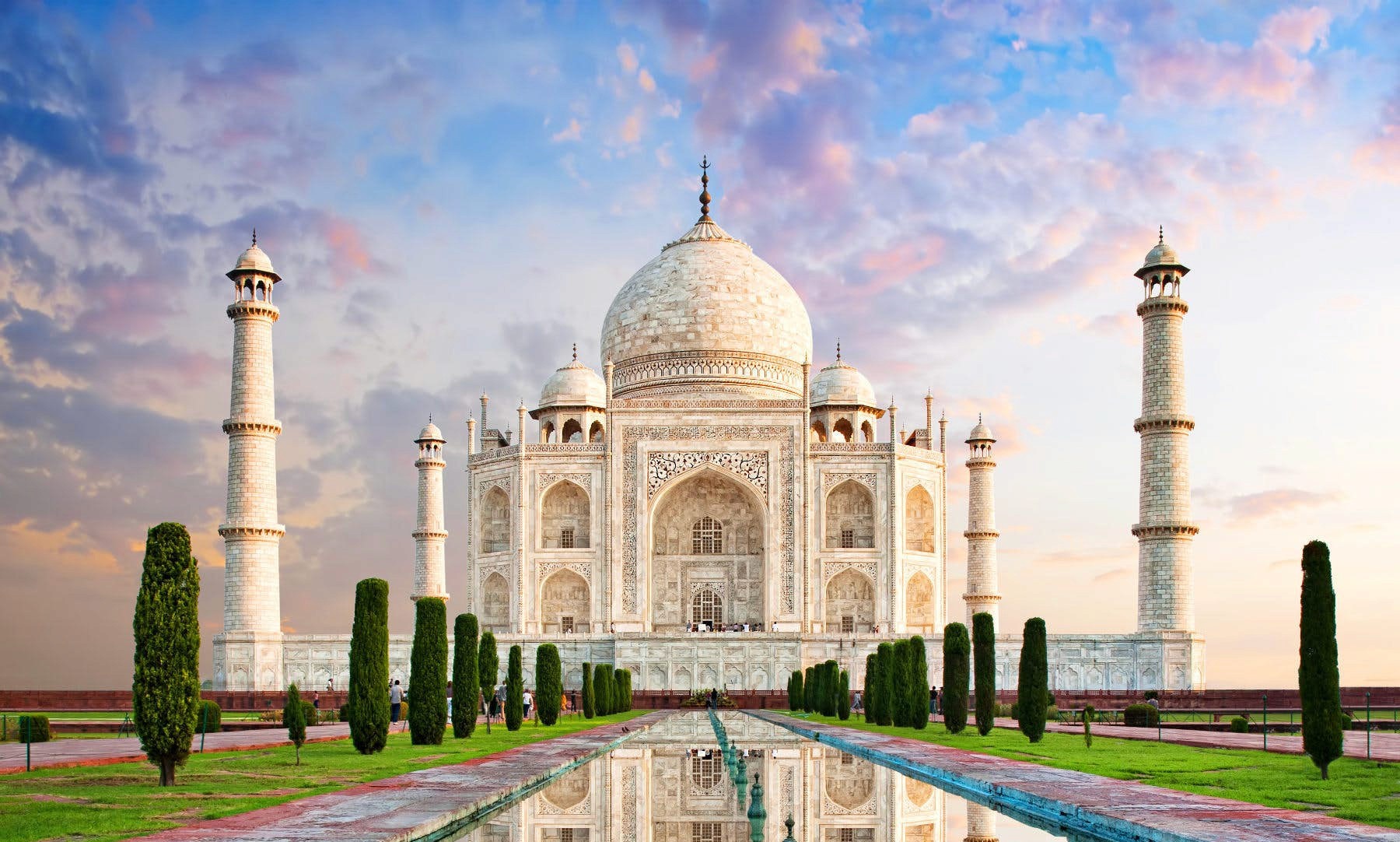
The Taj Mahal, standing proudly on the banks of the Yamuna River in Agra, India, is universally recognized as one of the world's most astonishing architectural wonders. It is the epitome of love, a testament to Mughal grandeur, and a crown jewel of the Indian subcontinent. Built from shimmering white marble, this mausoleum is rightfully counted among the Seven Wonders of the World and represents the pinnacle of Mughal artistry.
However, surrounding this magnificent structure are swirling narratives, legends, and a pervasive, dark rumor: the story that Emperor Shah Jahan ordered the hands (or sometimes, just the thumbs) of the Taj Mahal's laborers to be amputated after its completion. The alleged purpose? To prevent them from ever creating another masterpiece of equal beauty.
This article aims to set the record straight. We will delve into the verified history of the Taj Mahal's construction, examine the roles of its thousands of artisans, and use reliable historical documents, archaeological research, and contemporary accounts to decisively prove that this infamous rumor is, in fact, an entirely baseless myth.
The Historical Cornerstone - A Monument to Undying Love
The true story of the Taj Mahal begins with profound grief and eternal devotion. The monument was conceived by the fifth Mughal Emperor, Shah Jahan, as a final resting place for his beloved wife, Arjumand Banu Begum, known by her title, Mumtaz Mahal ("Jewel of the Palace").
The Empress and Her Legacy
Mumtaz Mahal tragically died in 1631 from complications following the birth of her fourteenth child, Gauhara Begum. Shah Jahan was utterly devastated. Historical accounts describe him retreating into seclusion, his hair reportedly turning gray in his grief. The Taj Mahal, started in 1632, was the emperor’s ultimate expression of mourning and promise an eternal monument to her memory.
Image: Shutterstock
The massive complex, including the mosque, guesthouse, main gateway, and the mausoleum itself, was largely completed by 1653, with some supplementary work continuing until 1656.
The Fusion of Architectural Genius
The Taj Mahal is not merely an Indian building; it is a stunning synthesis of international design. Its architecture flawlessly combines elements from Persian, Islamic, and indigenous Indian (specifically Rajput) styles. This architectural fusion reflects the multinational team of experts Shah Jahan brought together.
Construction Duration: Approximately 22 years (1632–1653).
Workforce: An estimated 20,000 to 22,000 workers, artisans, calligraphers, and master craftsmen.
Materials: The pristine white Makrana marble was transported from Rajasthan. Precious and semi-precious stones for the pietra dura inlay work came from as far away as China, Afghanistan, Sri Lanka, and Tibet.
The design and ornamentation bear the signatures of artists from across the Mughal world India, Persia, Central Asia, and the Ottoman Empire.
Debunking the Gruesome Myth - Amputation Allegations
The most sensational and widely repeated rumor associated with the Taj Mahal is that Shah Jahan ordered the mutilation of the lead craftsmen specifically the cutting off of their hands or thumbs—to prevent them from replicating the structure’s unique perfection.
2.1. The Absence of Historical Evidence
The primary reason this story must be dismissed is the total lack of historical basis.
No Contemporary Records: There is no mention of such an atrocity in any contemporary Mughal court records, Persian histories, or the detailed writings of European travelers who visited Agra during or immediately after the construction period. If such a colossal and brutal act had occurred, it would have surely been documented by court chroniclers, who often meticulously recorded the emperor’s actions, or by critical foreign visitors.
Archaeological Survey of India (ASI) Findings: The ASI, the official guardian of the monument, has repeatedly stated that there is no historical evidence whatsoever to support the hand-cutting myth. It is categorized officially as a folk tale or an urban legend.
Logical Flaw: The very nature of the myth cutting off hands to prevent duplication is fundamentally flawed. An architectural design can be replicated using plans, blueprints, and mathematical principles, not solely by the hands of the individuals who carried out the manual labor. The unique genius of the Taj Mahal lay in its design and conceptualization, which would remain in the architects’ minds and on paper, regardless of the fate of the laborers' hands.
The Likely Origins of the Rumor
Historians theorize that this gruesome story is a product of exaggeration and romantic dramatization, born from two main sources:
Awe and Exaggeration: The sheer, unbelievable beauty of the Taj Mahal likely fueled the public's imagination. To explain how such perfection was achieved, a dramatic, almost mythical explanation that the builders were forced into an unbreakable pact of uniqueness was created.
Colonial and Anti-Mughal Propaganda: The rumor likely gained widespread traction in the 18th and 19th centuries, possibly amplified by British travelers and colonial-era narratives. These accounts often sought to depict Mughal emperors as cruel, extravagant, and despotic rulers, thereby contrasting them negatively with the "civilized" British administration.
The Universal Artist Mutilation Trope: This specific type of rumor is not unique to the Taj Mahal. Stories exist across various cultures throughout history where rulers supposedly maimed artists or architects to protect the uniqueness of their creations. For example, similar, unverified stories are associated with the builders of certain medieval European cathedrals. It's a common storytelling trope that was simply applied to a convenient subject: the Taj Mahal.
The Historical Truth - Shah Jahan's Patronage and Respect
Far from being a cruel tyrant, historical records paint Shah Jahan as one of the greatest patrons of architecture in history, deeply reverent toward perfection, craftsmanship, and the highly skilled artisans who brought his visions to life.
The International Team of Masters
Shah Jahan meticulously recruited the finest talent from across the globe, offering them substantial compensation and status.
Ustad Ahmad Lahauri: The chief architect credited with the overall design. He later served as the architect for Shah Jahan’s other monumental projects, including the Red Fort and the Jama Masjid in Delhi.
Ismail Afandi (from the Ottoman Empire/Turkey): The master dome builder.
Amanat Khan Shirazi (from Persia): The chief calligrapher, whose work adorns the entire complex.
These men, who were integral to the Taj Mahal’s design, not only kept their hands but also went on to work on the emperor's subsequent, massive projects.
The Example of Taj Ganj - A Planned Community
Perhaps the most compelling evidence against the myth lies right outside the Taj Mahal’s walls: the planned settlement of Taj Ganj (or Mumtazabad).
Shah Jahan didn't just pay his workers; he provided them with a permanent, planned, residential area directly in front of the mausoleum. This was not a temporary camp but a fully developed town where the artisans and their families could live comfortably.
Proof of Respect: The existence of a permanent town like Taj Ganj demonstrates Shah Jahan’s commitment to the welfare and sustained employment of his workforce. It shows a long-term investment in their skills and quality of life, not a plan for a quick, brutal dismissal.
Living Legacy: The descendants of these original artisans still live in Taj Ganj today, preserving their inherited skills in marble inlay, pietra dura work, and jewelry. Many residents claim direct descent from the principal architects and craftsmen. Their continuous artistic lineage is a living testament to Shah Jahan's patronage, proving he honored and encouraged their skills, rather than destroying them.
Continuity of Employment - The Subsequent Mughal Projects
If the craftsmen had been maimed, Shah Jahan would have been unable to execute the massive architectural projects he undertook immediately following the completion of the Taj Mahal. Historical records confirm that the same pool of highly skilled labor was simply relocated.
The Shift to Shahjahanabad (Old Delhi)
In 1648, Shah Jahan decided to shift his capital from Agra to a newly constructed city he named Shahjahanabad (now Old Delhi). This undertaking required a massive deployment of the most skilled artisans the same ones who had just finished the Taj Mahal.
The Red Fort (Lal Qila): Completed around 1648, this massive fortress-palace complex is a marvel of Mughal architecture.
The Jama Masjid: Constructed between 1650 and 1656, this is one of the largest mosques in India. The stylistic parallels and architectural perfection of the Red Fort and the Jama Masjid clearly indicate the continued, unimpaired involvement of the exact same master craftsmen and architects from the Taj Mahal project.
The continuous, high-quality output of Mughal architecture during Shah Jahan’s reign utterly demolishes the argument that he disabled his most valuable asset: his skilled workforce.
The Historians and Travelers - What the Records Really Say
A study of primary and secondary historical sources reveals Shah Jahan's character regarding the arts:
European Traveler Accounts
European visitors who chronicled the Mughal Empire, such as the French physician François Bernier, visited Agra and the Taj Mahal around 1656 shortly after its completion. Their detailed travelogues describe the magnificent architecture and the emperor’s opulence. However, they are silent on any mass atrocity against the workers. A rumor of this magnitude would certainly have been sensational enough to merit a mention.
Mughal Court Historians
Mughal chroniclers like Inayat Khan and Abdul Hamid Lahori documented Shah Jahan’s reign with extensive detail. They describe the immense resources, time, and talent dedicated to the Taj Mahal. Their writings emphasize the emperor's passion for perfection and his generosity toward those who achieved it, not his cruelty.
Shah Jahan was known for providing financial rewards, titles, and lifetime stipends to master craftsmen. He understood that retaining talent was key to his lasting legacy. The wages and benefits provided to the Taj Mahal workers were considerable for the time.
The consensus among historians, therefore, is firm: the myth is a fiction, created not in the emperor’s court but in the public's fascination.
Historical Significance - Why the Myth Persists
Despite overwhelming historical evidence, the myth endures. Its persistence speaks to the human desire for drama and the tendency to romanticize or sensationalize great historical figures and monuments.
The Romantic and the Macabre
The myth adds a layer of macabre fascination to the "world's greatest love story." The narrative is simple, emotionally charged, and memorable: Great Love demanded Great Sacrifice. This dramatic simplicity makes the rumor more engaging and easier to transmit through oral tradition than the complex reality of Mughal administration, accounting records, and architectural patronage.
The Digital Age and Misinformation
In the modern era, particularly with the proliferation of social media, such compelling, yet false, stories spread faster than ever. Once a folk tale enters the digital stream, it takes on a life of its own, often repeated without verification, further cementing the falsehood in popular culture globally.
The Living Heritage - The Legacy of the Taj Mahal Workers
The legacy of the Taj Mahal workers is not one of tragedy and mutilation but of skill and endurance.
Taj Ganj - A Center of Craftsmanship
As a living heritage center, Taj Ganj continues to thrive. The families there specialize in the very same skills their ancestors perfected: pietra dura (the technique of setting precious stones into marble) and intricate marble carving. These artisans contribute significantly to Agra's tourism and handicraft economy today.
UNESCO Recognition: The Archaeological Survey of India (ASI) and UNESCO reports recognize the sustained cultural and economic contribution of the skilled workforce’s descendants in Agra, further validating the workers’ long-term importance to the Mughal Empire and its successor economy.
The True Monument to Skill
The Taj Mahal stands as a monument to human engineering and artistic collaboration. The perfect symmetry, the exquisite calligraphy, the light-reflecting luminosity of the marble, and the unparalleled pietra dura inlay all speak to the profound skill and freedom of the hands that created them. These details are a testament to the fact that the artisans were given the time, resources, and respect necessary to achieve their absolute peak performance.
The Unimpaired Truth
The pervasive myth that Emperor Shah Jahan cut off the hands of the Taj Mahal’s workers is a historically false, sensationalized fabrication. It is a powerful rumor, but one that is completely refuted by contemporary historical records, the documented continuity of subsequent Mughal architectural projects, and the very existence of the skilled artisan community in Taj Ganj today.
The Taj Mahal is not a monument built on brutality, but on a vast collaboration fueled by the wealth of an empire and the deep, abiding respect of its Emperor for human talent. It remains the world's most beautiful symbol of love, embodying the zenith of Mughal art and the enduring, unimpaired genius of its builders.
References and Further Reading:
Archaeological Survey of India (ASI)
UNESCO World Heritage Centre
Historical accounts by François Bernier and Abdul Hamid Lahori
Various secondary sources on Mughal history and architecture.