Smart Rings, Advanced Health Sensors & Future of Wearable Technology

Our daily lives have become inextricably linked with technology. Smartphones, smartwatches, and basic fitness trackers are already commonplace. But the progression of technology is now moving beyond the wrist, offering something more subtle, personal, and powerful. The latest stars in the consumer health tech market are Smart Rings and advanced health sensors like Continuous Glucose Monitors (CGMs).
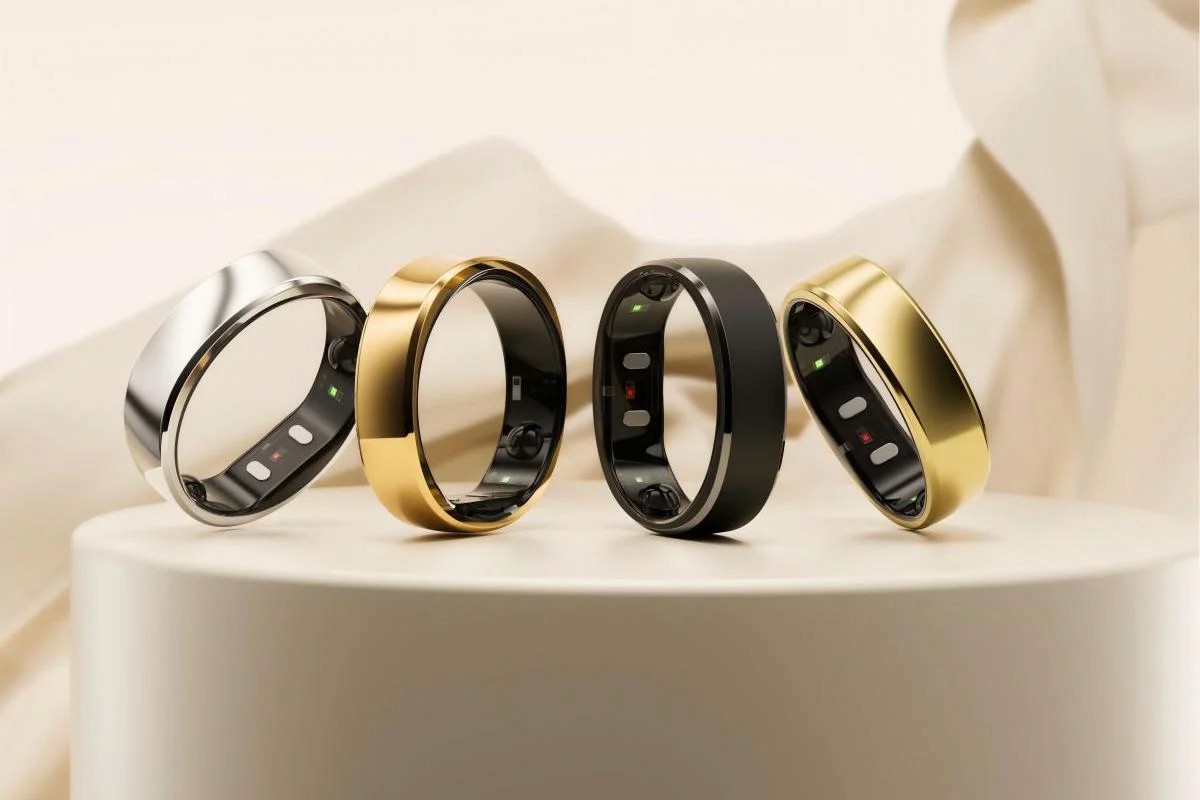
Devices such as the Oura Ring and the Ultrahuman Ring Air are dominating conversations because they go far beyond simple step counting. This new wave of wearable tech can analyze your deep sleep cycles, forecast your immune system's readiness, and offer profound insights into your Metabolic Health. This isn't just an upgrade; it’s a foundational shift in how we manage our well-being.
How are these small gadgets fundamentally changing the concept of personal healthcare? Let's dive deep into this digital revolution.
Why Smart Rings are the Next Big Thing
For years, "wearable technology" was synonymous with the smartwatch. However, smartwatches have inherent limitations: they can be bulky, their batteries often don't last long, and, crucially, they can be uncomfortable, especially when trying to track sleep. The Smart Ring offers a seamless solution to these issues.
What Exactly is a Smart Ring?
A Smart Ring is a miniature, finger-worn device that functions as a highly sophisticated fitness and health tracker. It uses incredibly sensitive sensors to collect biometric data from a scientifically optimal location—your finger often with greater precision than devices worn on the wrist.
The Driving Force - Preventive Healthcare
The growth of this technology is fueled by a major change in consumer mindset. People no longer view healthcare merely as treatment for illness; they are actively investing in preventive healthcare and striving for data-driven lifestyle changes. Devices like Smart Rings and CGMs have become essential tools for this proactive approach.
Smart Rings vs. Smartwatches - The Advantage of the Finger
The finger is scientifically proven to be an ideal location for measuring key biometrics. This anatomical advantage allows Smart Rings to achieve a new level of data accuracy.
Superior Data Accuracy and Sensor Placement
The arteries in the finger are much closer to the surface of the skin compared to those in the wrist. Wearing a ring allows for much more accurate measurement of Heart Rate (HR), Heart Rate Variability (HRV), and Blood Oxygen Saturation ($SpO_2$).
During sleep or rest, a wrist-worn watch often shifts, which degrades data quality. A ring remains relatively stable on the finger, making it exceptionally reliable for continuous tracking, particularly at night.
Feature | Smart Rings (Finger Placement Advantage) | Smartwatches (Wrist Placement) |
Data Accuracy & Consistency | Higher Accuracy: Sensors are positioned closer to the digital arteries, providing a stronger, clearer signal for metrics like Heart Rate and $SpO_2$. | Lower Consistency: Tendency to shift on the wrist, leading to 'motion artifact' and less reliable sensor contact, especially during intense activity or sleep. |
Sleep Tracking Quality | Superior: The ring's stable position on the finger minimizes movement during sleep, resulting in clinical-grade data for analyzing Deep, REM, and Light sleep stages. | Adequate, but Flawed: Movement and inconsistent fit can often compromise the accuracy of sleep stage detection and key recovery metrics like HRV. |
Heart Rate Variability (HRV) | More Reliable: HRV (a key metric for recovery and stress) requires extremely consistent data. The stability and proximity on the finger make HRV readings more dependable. | Vulnerable to Noise: HRV readings can be easily skewed by wrist movement or an imperfect strap fit. |
Design & Comfort | Minimalist and Discreet: Small, lightweight, and designed for 24/7 wear, including professional settings and during sleep, with virtually no discomfort. | Bulky and Obtrusive: Often too large for comfortable all-night wear, and screen notifications can be distracting. |
Battery Life | Longer Duration: Typically lasts 4–7 days due to the absence of a large, power-draining screen. | Shorter Duration: Usually requires charging daily or every other day due to the large display and extensive app ecosystem. |
Wearer Experience | Non-Intrusive: Focuses purely on collecting data and providing insights; no screen, calls, or notifications to interrupt focus. | Intrusive/Interactive: Acts as a second screen for the phone, making it a source of notifications and distractions. |
Advanced Sleep Analysis
One of the greatest strengths of Smart Rings is their comprehensive sleep tracking. Devices like the Oura Ring are highly respected by sleep experts and in clinical settings for their high-fidelity data.
Focus on Recovery, Not Just Sleep Duration: Smart Rings don't just tell you how long you were asleep. They analyze core metrics body temperature, HRV, and respiratory rate to assess the quality of your sleep, the time spent in Deep Sleep and REM Sleep, and most importantly, how well your body Recovered.
The Readiness Score: Leading rings, such as Oura and Ultrahuman, translate this data into a single, actionable metric: a Readiness Score. This score advises you whether today is the day for an intense workout or a much-needed period of rest.
Discreet Design and Enhanced Battery Life
Smart Rings are light, unobtrusive, and boast superior battery longevity. Some rings can last up to a full week on a single charge. Their sleek, minimalist design encourages users to wear them 24/7 without discomfort, ensuring continuous data collection.
নিচের ছকটি "Smart Rings vs. Smartwatches: The Advantage of the Finger" টপিকের সুবিধাগুলো তুলে ধরছে।
Here is a comparison chart detailing the advantages of Smart Rings over Smartwatches, particularly focusing on the "Advantage of the Finger" concept.
Market Leaders - Oura and Ultrahuman
The Smart Ring market is currently led by the Finnish company Oura and the Indian-based tech firm Ultrahuman.
The Oura Ring - Master of Sleep and Wellness
Core Focus: Sleep quality, recovery, and holistic wellness. Oura was the first smart ring to gain massive global popularity and remains a benchmark for sleep tracking accuracy.
Key Features: Advanced HRV tracking, body temperature variation analysis (which can predict menstrual cycles and the early onset of illness), and its personalized Readiness Score.
Ultrahuman Ring Air - Lightweight Champion
Core Focus: Positioned as a strong competitor to Oura, its main selling points are its extremely light weight (just 2.4 grams) and exceptional comfort.
Key Features: Tracking of temperature, sleep, HRV, and movement. It places a strong emphasis on post-exercise recovery metrics. Its durability and clean app interface have also made it popular among fitness enthusiasts.
The Next Frontier - Continuous Glucose Monitoring (CGM)
A parallel breakthrough in wearable technology is Continuous Glucose Monitoring (CGM). This technology acts as a powerful complement to the Smart Ring, fundamentally changing our understanding of metabolic health.
What is a CGM and Why is it Crucial?
A CGM is a small sensor, usually applied to the skin (like on the back of the arm). It measures glucose levels in the Interstitial Fluid every few minutes and sends the data wirelessly to a smartphone.
Traditional glucometers only offer a snapshot of blood sugar at a single moment in time. CGMs provide a 24-hour visualization of glucose fluctuations, revealing trends and immediate reactions.
This technology is no longer exclusive to diabetes patients. For anyone looking to manage weight, optimize energy, or simply live healthier, the CGM is vital. It shows exactly which foods or lifestyle choices cause a Glucose Spike, which is detrimental to long-term metabolic health.
CGM in the Wellness and Fitness World
CGMs are becoming indispensable tools in the wellness space, helping users understand:
Food Response: How a specific meal (e.g., pasta or a sugary drink) triggers a glucose spike in their unique body.
Exercise Impact: How physical activity, like a brisk walk or weightlifting, improves glucose control.
Stress and Sleep: How high stress or a poor night's sleep can elevate blood sugar levels, providing a tangible link between lifestyle and biology.
The Future of Wearables - Predictive and Personalized Healthcare
The combined power of Smart Rings and advanced sensors like CGMs is set to completely revolutionize healthcare in the coming years.
Predicting Illness Before Symptoms Appear
Wearable devices are increasingly capable of forecasting the early signs of illness, from the common cold to COVID-19.
Body Temperature Shifts: Devices like the Oura Ring can detect minute changes in your body's baseline temperature. A slight, sustained increase is often the first sign that the immune system has been activated.
HRV Decline: A sudden drop in HRV is a common indicator of either the onset of illness or severe stress/overtraining. This data can alert users to rest or seek medical advice much earlier than traditional symptom recognition.
Telehealth and Personalized Medicine
Remote Patient Monitoring: Doctors can now remotely monitor key patient metrics. For example, CGM data helps diabetes specialists fine-tune insulin doses without requiring the patient to visit the clinic.
Personalized Treatment: Analyzing individual data from smart devices allows physicians to provide customized treatment plans or lifestyle advice based on a patient’s specific biometrics. This is a massive step towards truly Personalized Medicine.
Tracking Mental Wellness
HRV and sleep metrics are becoming crucial for understanding mental health parameters like stress, anxiety, and depression. A low HRV often signals high mental strain or chronic overtraining, allowing users to take proactive steps to manage their mental well-being.
Challenges and the Road Ahead
Despite the immense potential of Smart Rings and CGMs, certain challenges must be addressed:
Data Security and Privacy: Health data is extremely sensitive. Concerns over how this data is secured and how companies use it remain paramount. Users need assurance that their intimate biometrics are protected.
User Adoption and Engagement: Educating the general public about the benefits and encouraging consistent, long-term use remains a hurdle.
Cost Barrier: The high technology packed into these devices means they are currently priced out of reach for a significant portion of the population.
In the near future, we expect these devices to become smaller, even more accurate, and significantly more affordable. The dream is to develop a Smart Ring that can perform Non-Invasive Glucose Monitoring, eliminating the need for skin patches a monumental breakthrough for millions of people managing diabetes.
The Future is on Your Finger
Smart Rings, CGMs, and other advanced health sensors prove that the future of healthcare is no longer confined to the four walls of a hospital it’s on our bodies, on our fingers, or on our arms.
Devices like the Oura Ring and Ultrahuman Ring Air represent more than just technological progress; they offer an unprecedented opportunity to understand our own bodies deeply and take control of our health narrative. This technology is driving a quiet yet powerful revolution in lifestyle change, disease prevention, and the pursuit of a long, healthy life.